A warm and inviting living room is less about following a specific decorating style and more about creating a space that feels comfortable, balanced, and personal. The right combination of color, texture, lighting, and decorative details can transform even a simple room into a place where you naturally want to spend more time.
If your living room feels unfinished or a little too plain, you do not necessarily need new furniture or a complete redesign. Thoughtful additions such as a rug, a soft throw, and well-placed wall art can make a noticeable difference.
Start With a Comfortable Color Palette
Color influences the overall mood of a room. Warm neutrals, earthy shades, muted greens, soft blues, and natural tones can create an easygoing foundation that works with many decorating styles.
You do not have to use the same color everywhere. Instead, choose a small group of complementary tones and repeat them subtly throughout the room. A shade found in your rug, for example, can appear again in a throw, cushion, or piece of wall art.
Ground the Room With a Rug
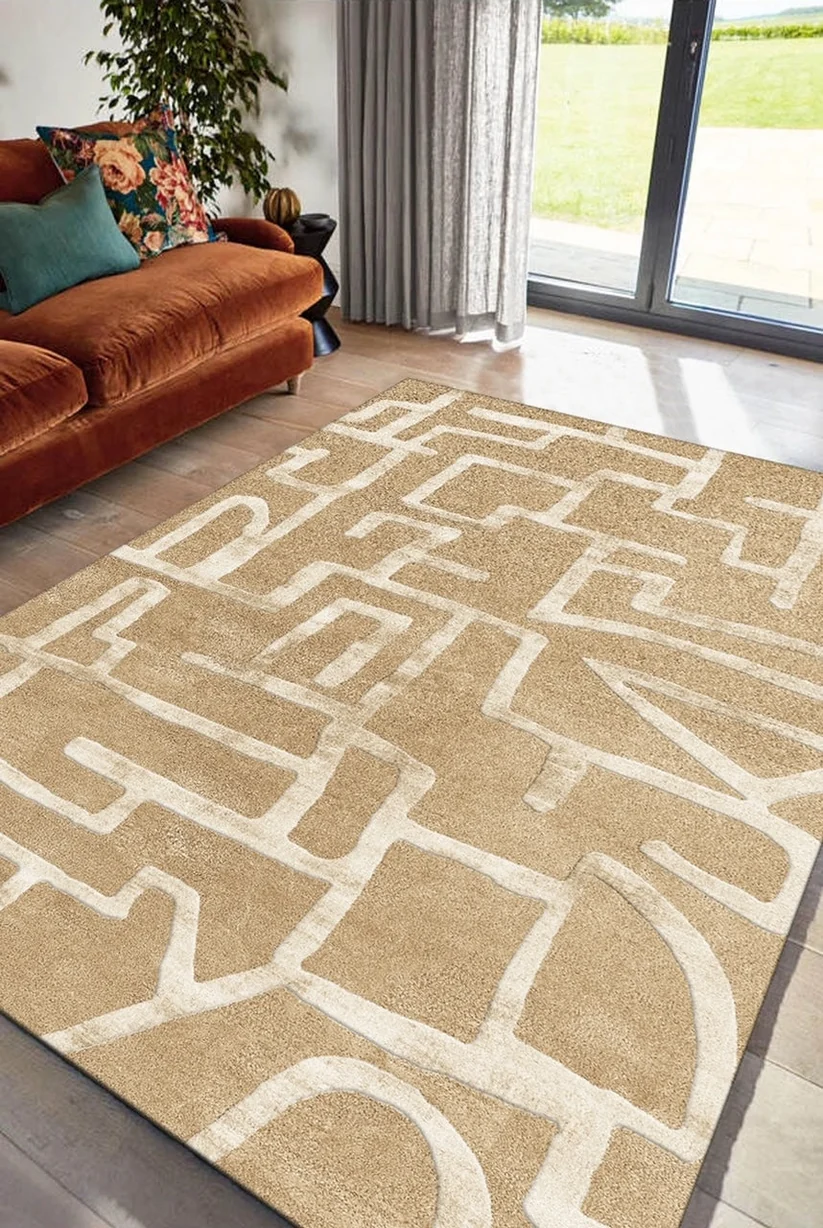
A rug can visually connect separate pieces of furniture and help define the main seating area. In larger rooms, it creates a clear zone for conversation and relaxation, while in smaller spaces it can make the arrangement feel more intentional.
Consider the proportions of your furniture when choosing a rug. A rug that relates naturally to the sofa, chairs, and coffee table generally creates a more cohesive appearance than one that feels isolated in the center of the floor.
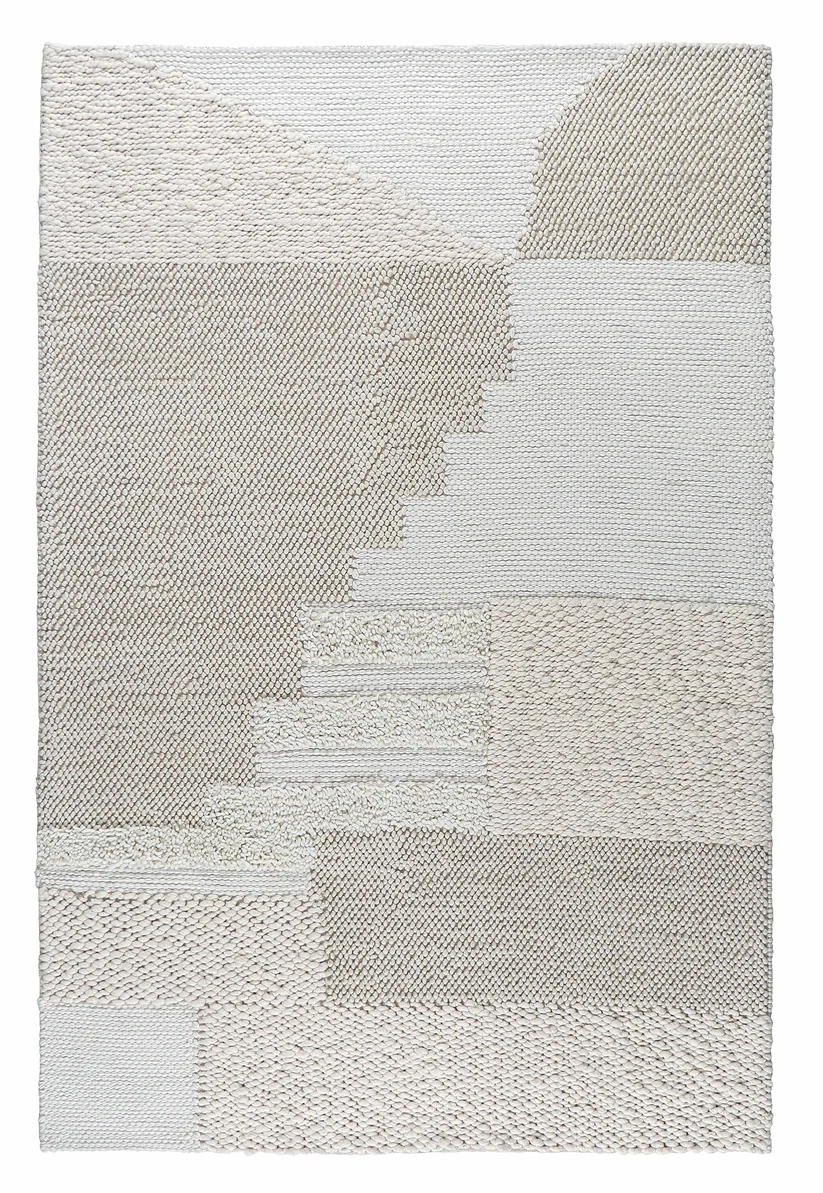
Texture also matters. Woven, tufted, wool, viscose, and natural-fiber rugs can each introduce a different visual and tactile quality to the room.
Add Softness With Throws
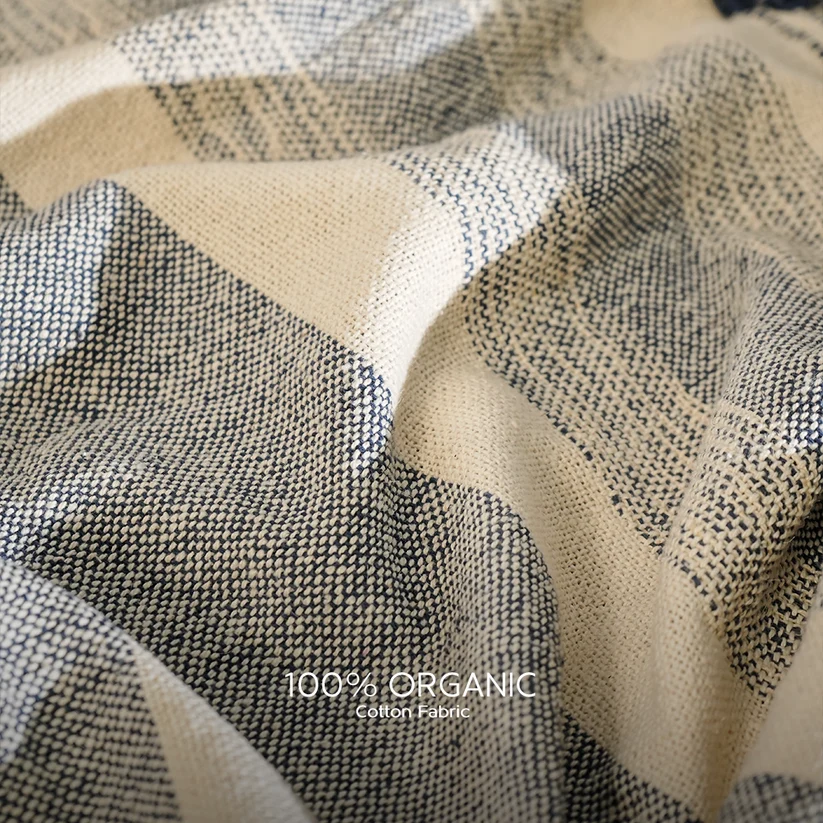
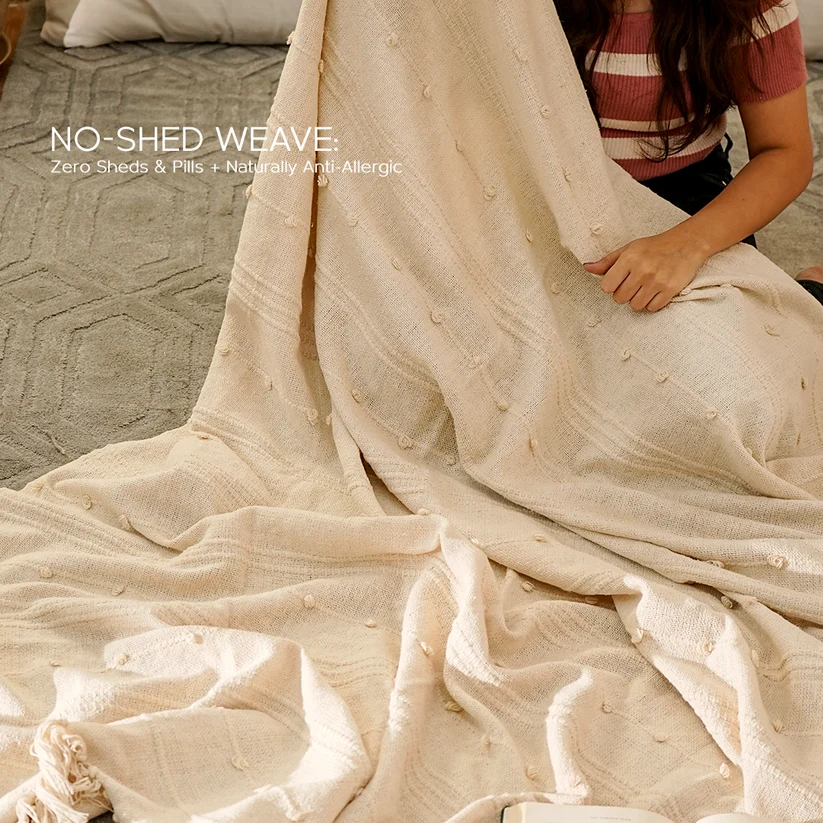
Throws are one of the easiest ways to soften a living room. Rather than treating them only as functional blankets, use them as part of the overall composition of the space.
Drape a throw casually over the arm or back of a sofa for a relaxed appearance, or fold it neatly across a chair when you prefer a cleaner look. Choosing a texture or color that contrasts slightly with your upholstery can add dimension without making the room feel overly decorated.
Give Empty Walls Some Personality
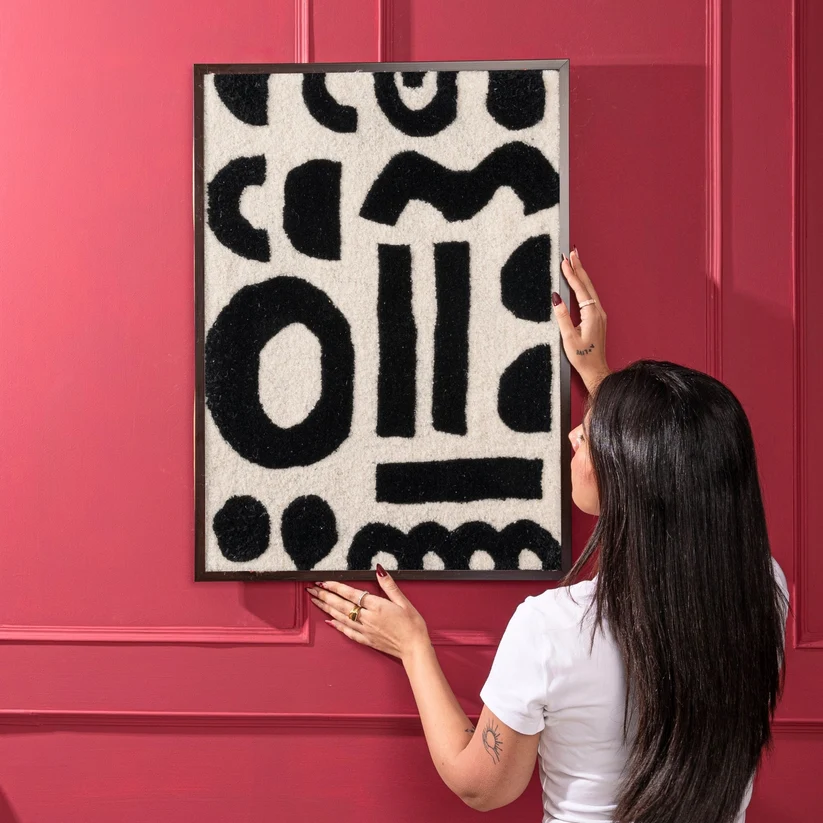
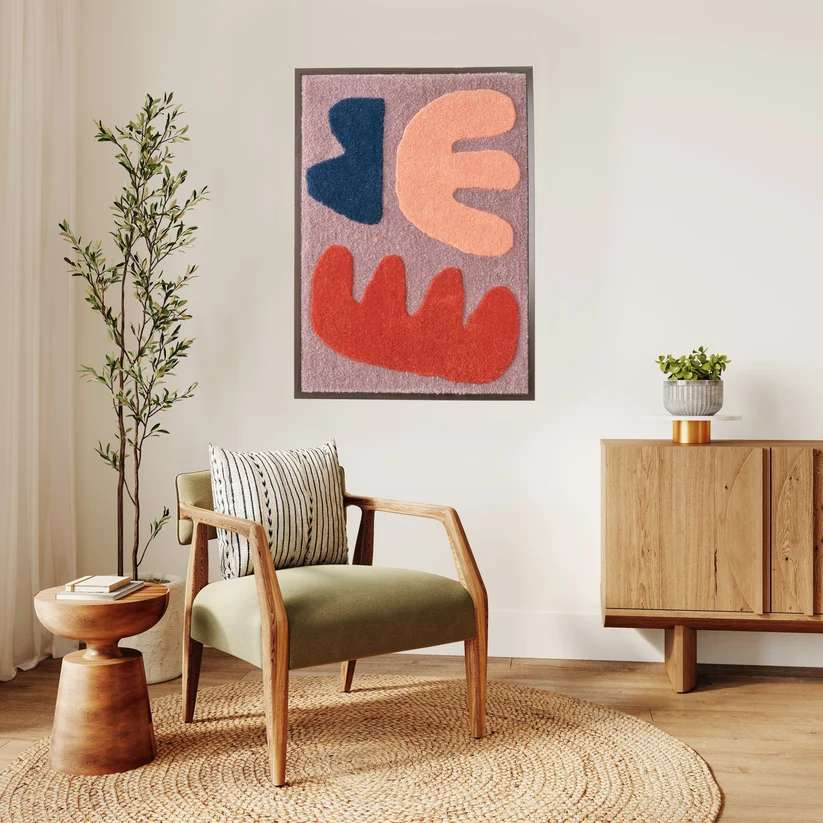
Large empty walls can make an otherwise comfortable room feel incomplete. Wall art introduces personality and provides an opportunity to bring additional color, shape, and texture into the space.
A single statement piece can create a strong focal point above a sofa or console. Alternatively, several smaller pieces can be arranged together for a more collected look.
Textile and tufted wall art can be especially interesting in rooms that already feature soft furnishings because the dimensional surface adds another layer of texture beyond conventional flat artwork.
Layer Different Textures
Rooms often feel warmer when they contain a thoughtful mixture of materials rather than one repeated finish. Try combining a textured rug, woven throw, smooth furniture surfaces, natural wood, and dimensional wall decor.
The goal is not to fill every available area. Leaving some visual breathing room allows individual textures and decorative pieces to stand out.
Use Lighting to Complete the Atmosphere
Instead of relying entirely on one overhead fixture, consider several sources of light. Floor lamps, table lamps, and accent lighting can create smaller pools of illumination throughout the room and contribute to a more relaxed evening atmosphere.
Create a Room That Feels Like You
A welcoming living room does not need to look like a showroom. Personal objects, favorite artwork, comfortable textiles, books, and pieces collected over time can make a space feel far more meaningful.
Start with the elements that have the greatest visual impact, then add smaller layers gradually. A well-chosen rug can establish the foundation, throws can introduce softness, and wall art can provide the finishing expression that makes the room feel distinctly yours.