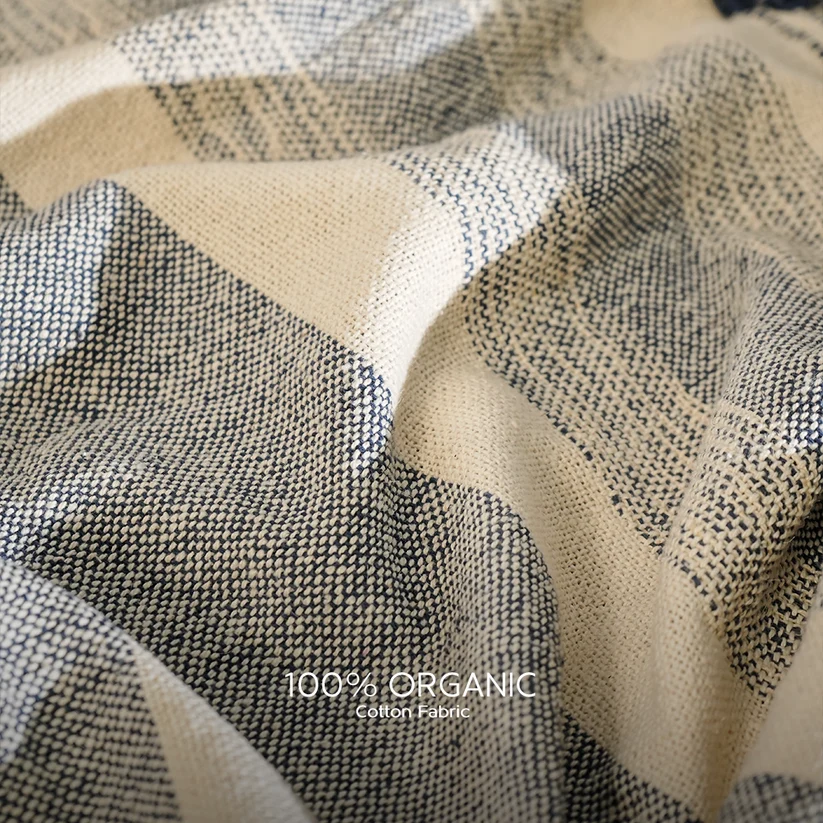
A throw blanket is a simple home accent, but the way you place it can subtly change the character of an entire room. It can make a sofa feel more relaxed, add another layer to your bedding, introduce a new color, or provide contrast against larger furniture pieces.
There is no single correct way to style a throw. The best approach depends on whether you want your space to feel casual, structured, layered, or somewhere in between.
The Casual Sofa Drape
For a relaxed look, drape a throw loosely over one corner or arm of the sofa. Allow the fabric to fall naturally instead of trying to create perfectly symmetrical folds.
This works particularly well in comfortable living rooms where you want the space to feel approachable rather than formally arranged.
The Neatly Folded Look
If your interior has cleaner lines, fold the throw lengthwise and place it across the arm or back of the sofa.
A structured fold introduces texture while maintaining a tidy appearance and can work especially well with minimalist or contemporary furniture.
Layer a Throw With Cushions
A throw and cushions do not need to match exactly. Instead, look for a connection through color, texture, or pattern.
For example, a textured neutral throw can balance patterned cushions, while a more colorful throw can introduce contrast against simple upholstery.
Place a Throw Across the End of the Bed
One of the easiest bedroom arrangements is to fold a throw horizontally across the lower portion of the bed.
This creates a clear additional layer and gives you an opportunity to introduce a color or texture that differs from the main bedding.
Try an Asymmetrical Bed Arrangement
For a more relaxed bedroom, position the throw diagonally or allow it to fall naturally over one lower corner of the bed.
The asymmetry can soften a bed that otherwise feels highly structured and works particularly well with casual, layered interiors.
Use Contrast Thoughtfully
When your sofa or bedding is neutral, a throw can provide a convenient opportunity for color. If the surrounding space already contains several patterns or strong colors, a quieter throw may help balance the composition.
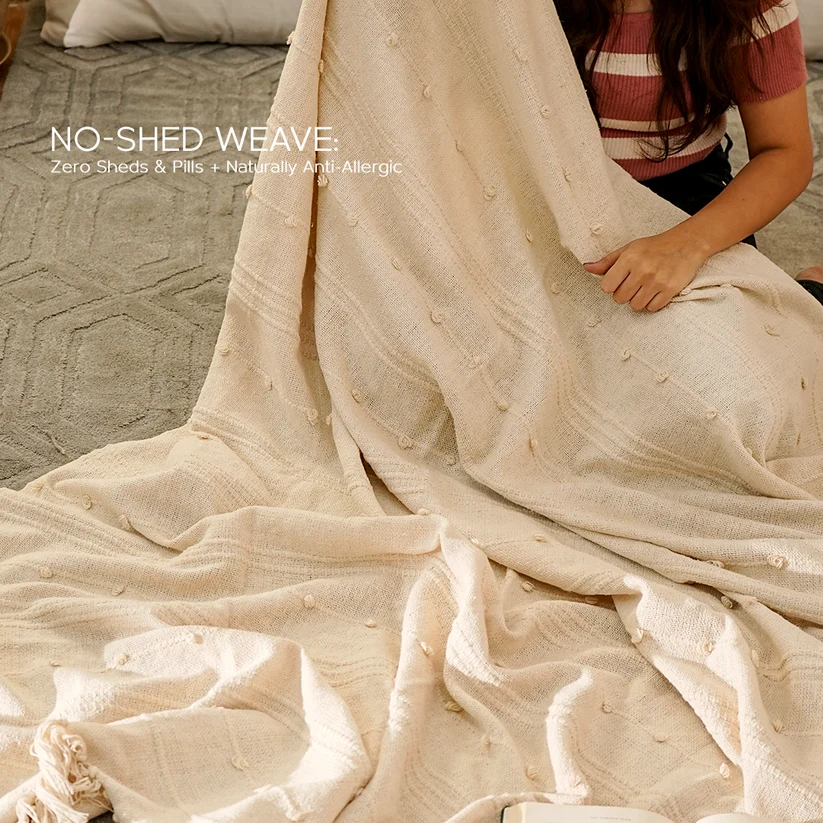
Texture can also create contrast. A woven or tactile throw placed against a smooth sofa provides visual depth even when both pieces share a similar color.
Connect the Throw With the Rest of the Room
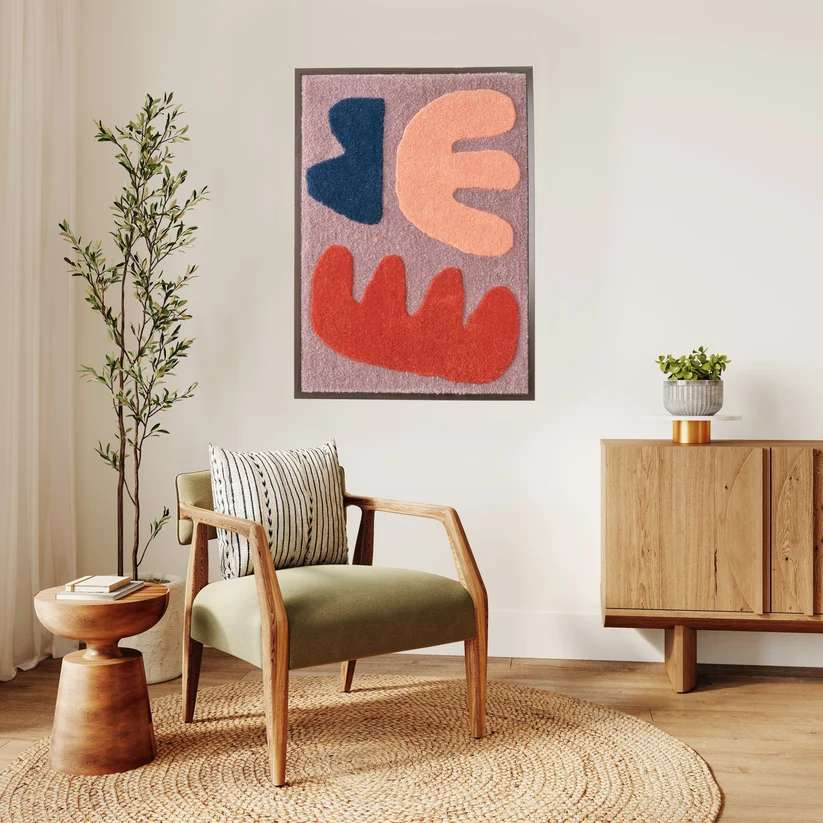
Look beyond the sofa or bed when selecting a throw. Colors and textures can relate subtly to a nearby rug, piece of wall art, curtain, or other decorative element.
The connection does not have to be exact. Repeating a related tone or texture is often enough to make the room feel more cohesive.
Keep It Comfortable
Throws are meant to be used as well as displayed. Avoid arrangements that require constant adjustment or make the blanket inconvenient to reach.
Whether folded neatly or draped casually, a thoughtfully placed throw can make a room feel softer and more layered while still supporting the comfortable, lived-in character that makes a house feel like home.