Your bedroom should feel like a comfortable retreat from the rest of the day. Creating that atmosphere does not always require new furniture or a major renovation. A few carefully chosen decorative elements can change how the entire room looks and feels.
From soft textiles to thoughtful wall decor, here are seven approachable bedroom decorating ideas for creating a space that feels more comfortable, cohesive, and personal.
1. Begin With a Calm Color Palette
Choose a foundation of colors that you enjoy seeing every day. Soft neutrals, earthy tones, muted colors, and gentle contrasts can all work beautifully in a bedroom.
Rather than making every element match exactly, repeat related colors across bedding, rugs, throws, and artwork to create a natural visual connection.
2. Add a Rug Around the Bed
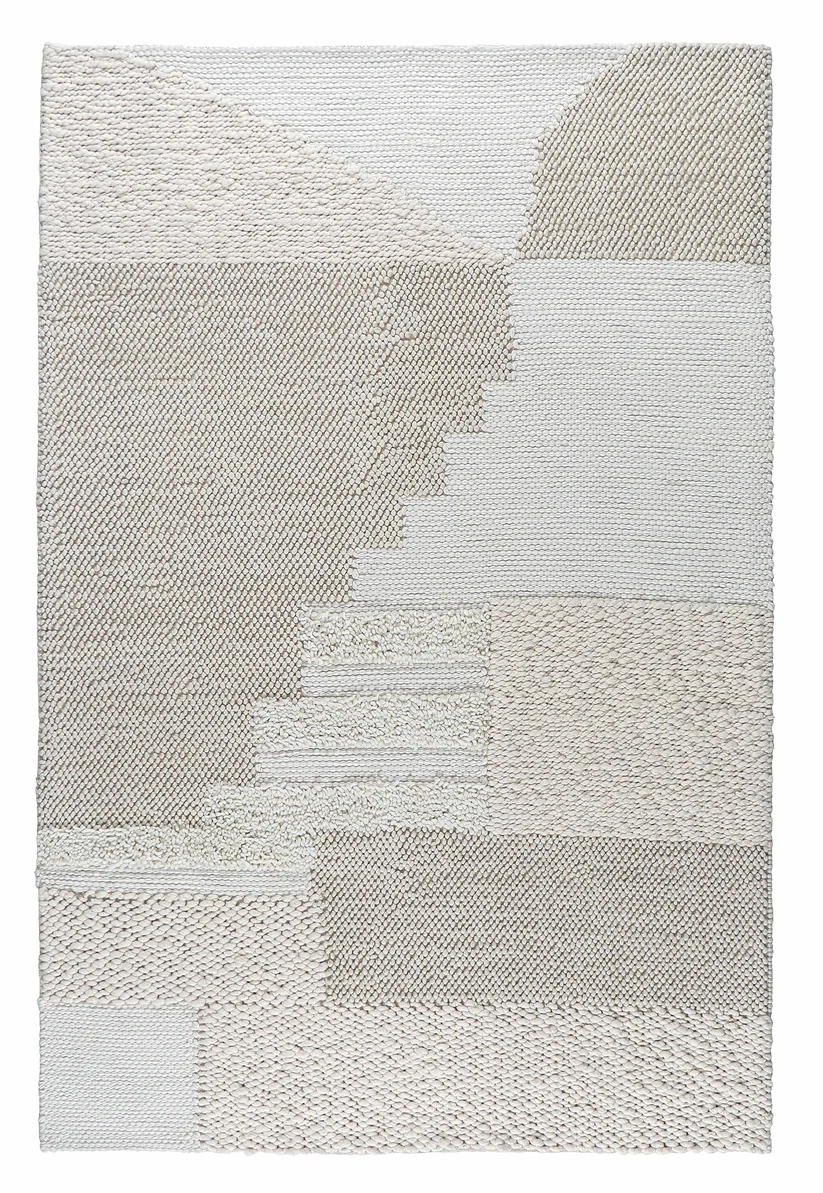
A rug can soften the transition between the bed and the surrounding floor while helping define the sleeping area visually. It can be particularly effective in bedrooms with wood, tile, or other hard flooring.
Choose a size that relates comfortably to the dimensions of your bed instead of using a small rug that appears disconnected from the furniture.
3. Layer Your Bedding
Layering introduces depth without requiring elaborate decoration. Combine your everyday bedding with a throw placed across the lower portion of the bed.
Try mixing subtly different textures instead of relying exclusively on patterns. A woven or textured throw against smoother bedding can create visual interest while maintaining a relaxed appearance.
4. Create a Focal Point Above the Bed
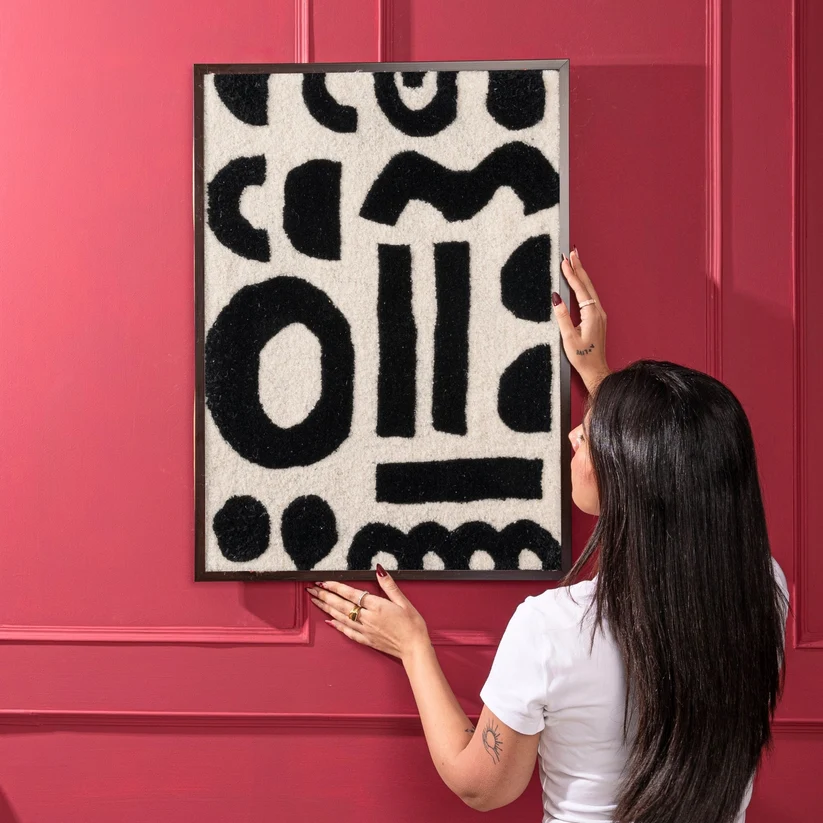
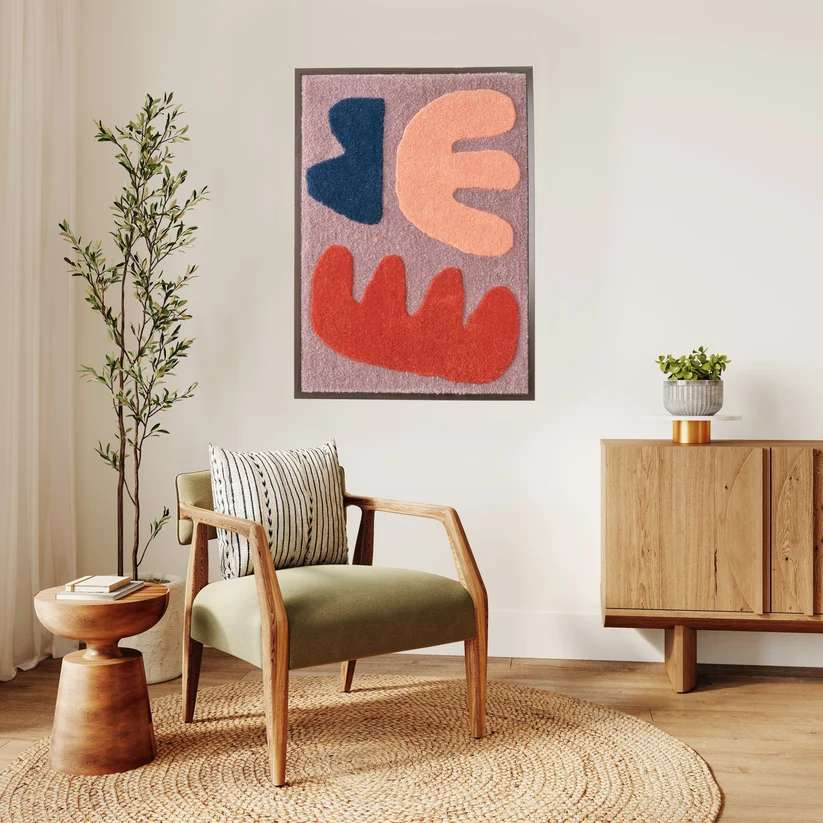
The wall behind your bed naturally attracts attention, making it an ideal location for artwork. A single larger piece creates a clean focal point, while a coordinated arrangement of smaller pieces can provide a more collected feel.
Choose artwork that complements the room rather than trying to match every color exactly.
5. Mix Soft and Natural Textures
Combine textiles with materials such as wood, woven fibers, ceramic, or natural finishes. The contrast between different surfaces gives the room dimension and helps prevent a neutral palette from feeling flat.
6. Keep Decorative Pieces Intentional
More accessories do not automatically make a bedroom more inviting. A few meaningful objects on a nightstand, dresser, or shelf can often create more impact than filling every surface.
Leaving open space around decorative pieces also makes the room easier on the eye.
7. Make Comfort Part of the Design
A beautiful bedroom should still work for everyday life. Keep frequently used items accessible, choose textiles that suit how you use the room, and avoid arrangements that look good but feel inconvenient.
The most inviting bedrooms balance visual character with practical comfort. By combining a grounding rug, layered bedding, a favorite throw, and expressive wall art, you can create a space that feels considered without becoming overly styled.