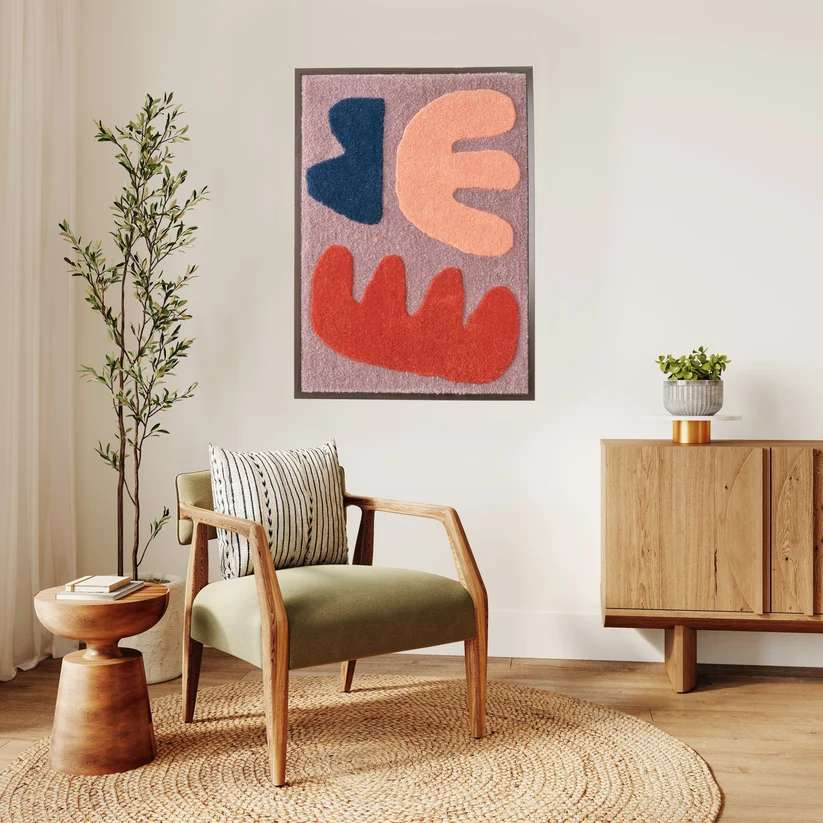
Warm neutral interiors offer a comfortable middle ground between minimal simplicity and richly layered decorating. Rather than relying only on bright white or cool gray, this approach brings together softer shades inspired by natural materials and earthy surroundings.
The result can feel calm without appearing empty and warm without becoming visually heavy. The key is to create variation through tone, texture, and material.
Build a Layered Neutral Palette
A neutral room does not have to rely on one shade. Combining cream, beige, tan, warm brown, muted earthy colors, and deeper accents creates more visual depth.
Think of these shades as a family rather than trying to make every object match. Slight differences in tone often make the space feel more natural and collected.
Use Texture to Create Interest
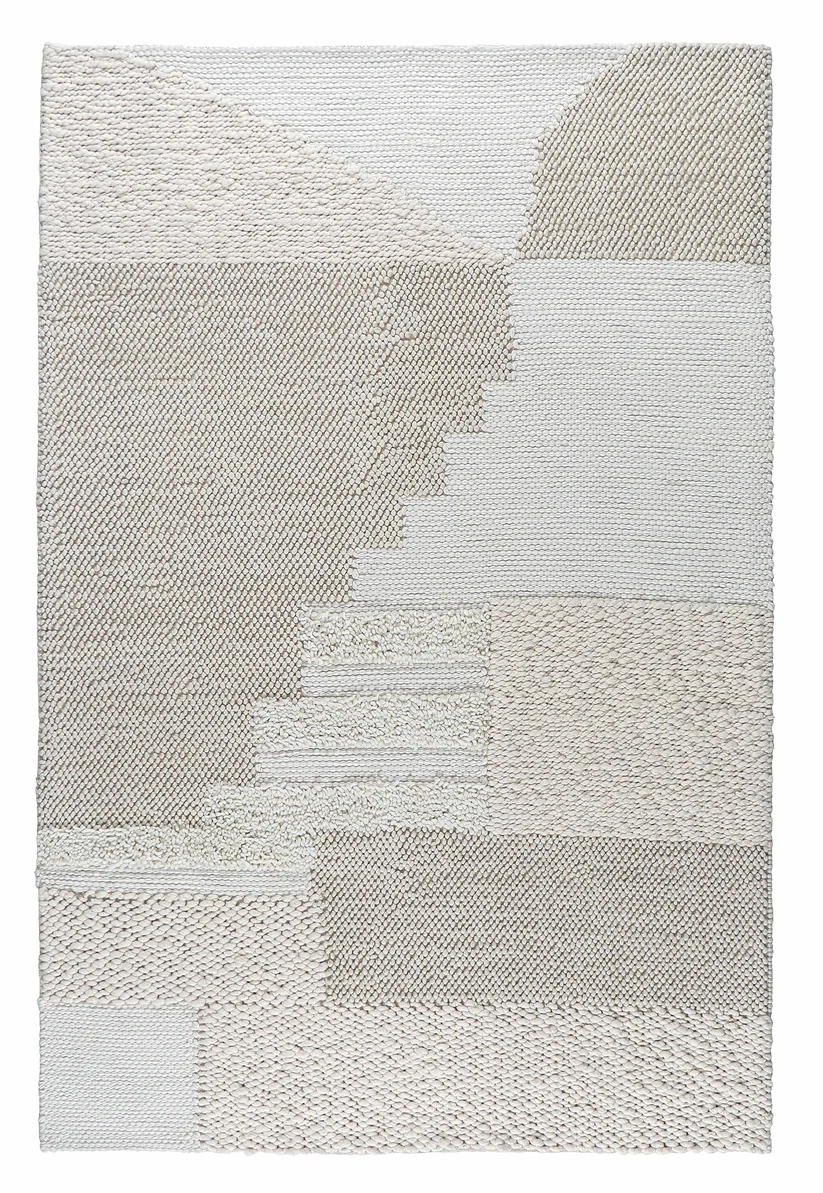
When a room contains fewer strong colors, texture becomes increasingly important. Woven fabrics, tufted surfaces, wood grain, soft textiles, and natural fibers can keep a neutral interior from appearing flat.
A textured rug is particularly effective because it covers a large visual area while introducing softness and definition at floor level.
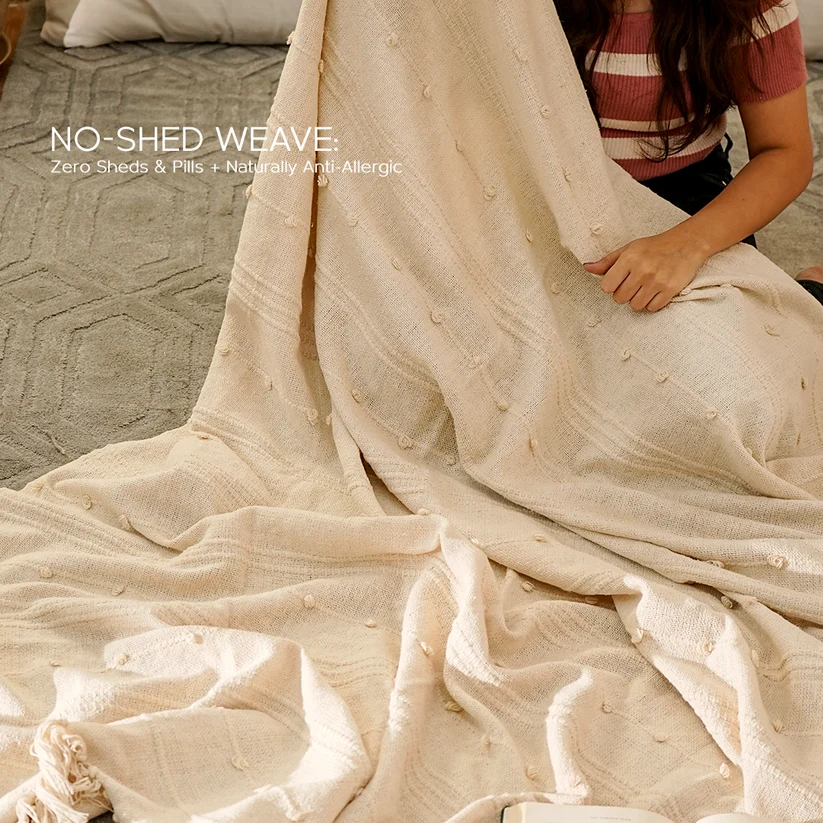
Layer Throws Into Seating Areas
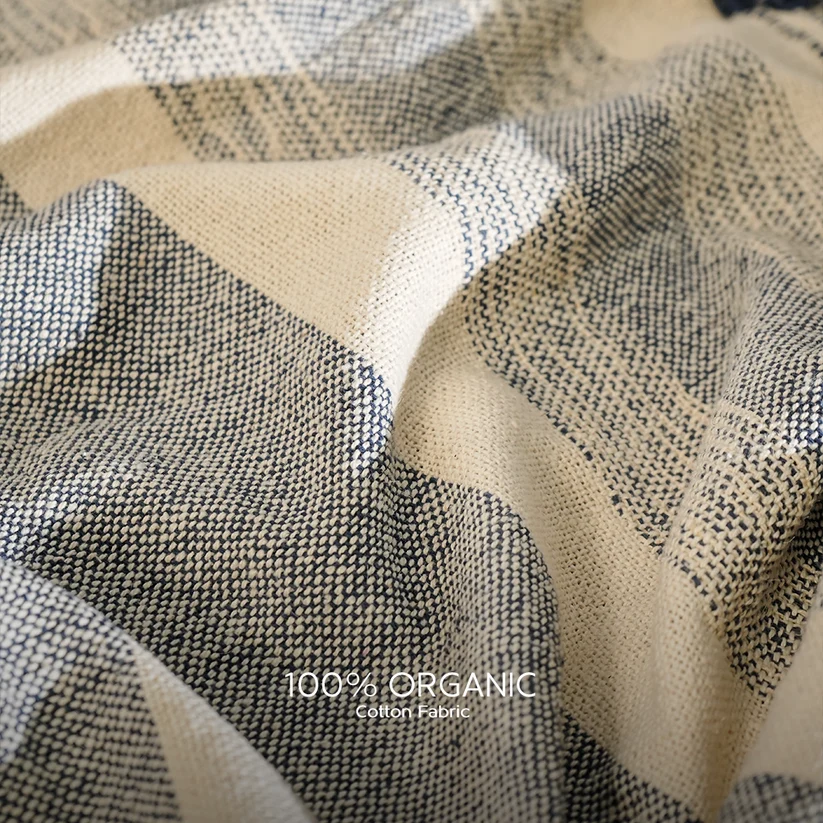
Throws provide an easy way to introduce another shade or surface without changing your furniture. A warm neutral throw can soften a darker sofa, while an earthy accent color can bring contrast to light upholstery.
Layering also makes seating areas feel more relaxed and comfortable rather than overly formal.
Introduce Dimension Through Wall Art
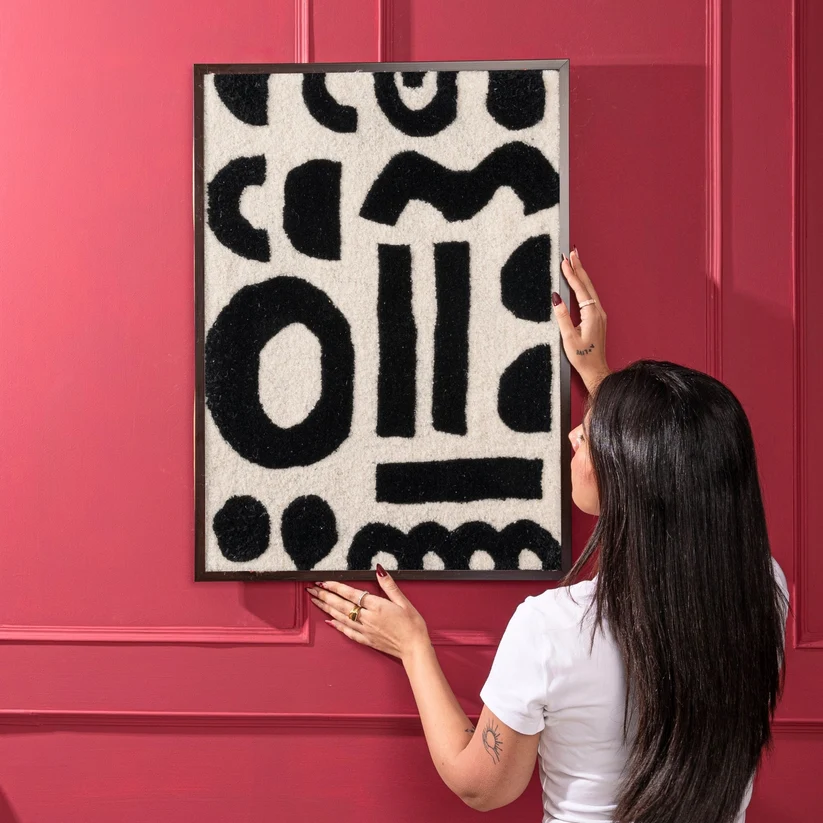
Wall decor can provide a focal point while maintaining the quiet character of a neutral room. Artwork does not necessarily need vivid color to make an impact.
Shape, composition, fiber, and dimensional texture can create visual interest on their own. Textile wall art, for example, adds a tactile quality that works naturally alongside rugs and woven home accents.
Add Natural Materials
Wood, jute, wool, cotton, ceramic, stone, and woven materials can complement warm neutral interiors beautifully. Each introduces subtle variation in texture and tone.
You do not need every material in the same room. A few carefully selected surfaces are usually enough to create contrast.
Include Darker Accents for Definition
Neutral spaces can benefit from a small amount of darker contrast. Black, charcoal, deep brown, or other grounded shades can help define furniture shapes and prevent lighter palettes from blending together.
Use these darker tones selectively through frames, furniture details, artwork, or patterns.
Keep the Space Personal
A warm neutral interior should not feel anonymous. Display objects, artwork, books, and textiles that reflect your taste and everyday life.
The most appealing spaces often combine a consistent visual direction with pieces that feel collected over time. By layering rugs, throws, wall art, natural finishes, and personal details, a neutral room can feel both calm and full of character.