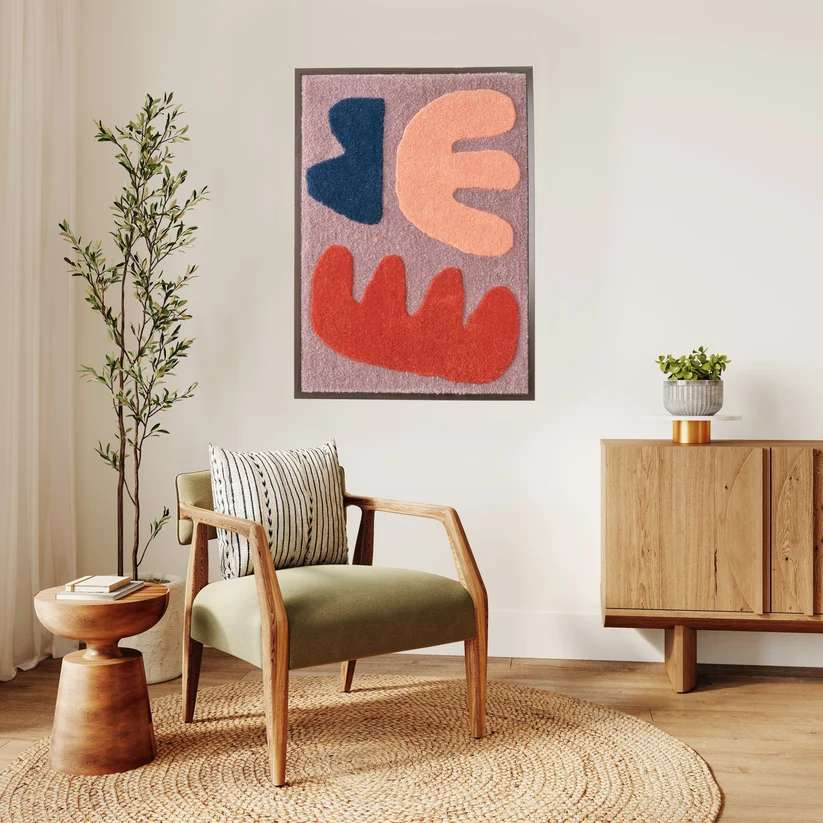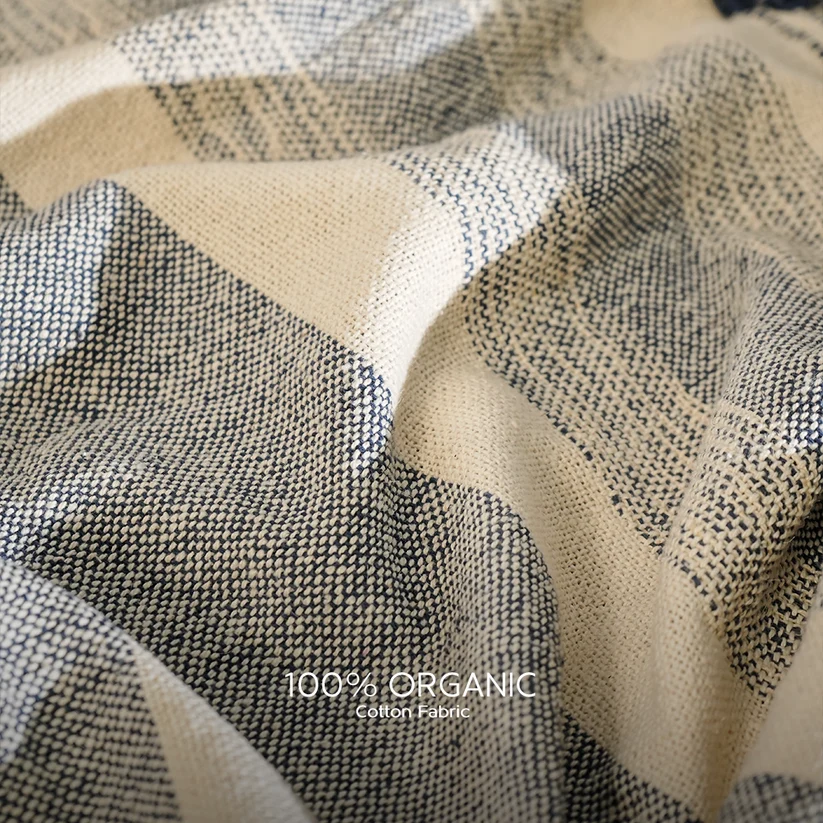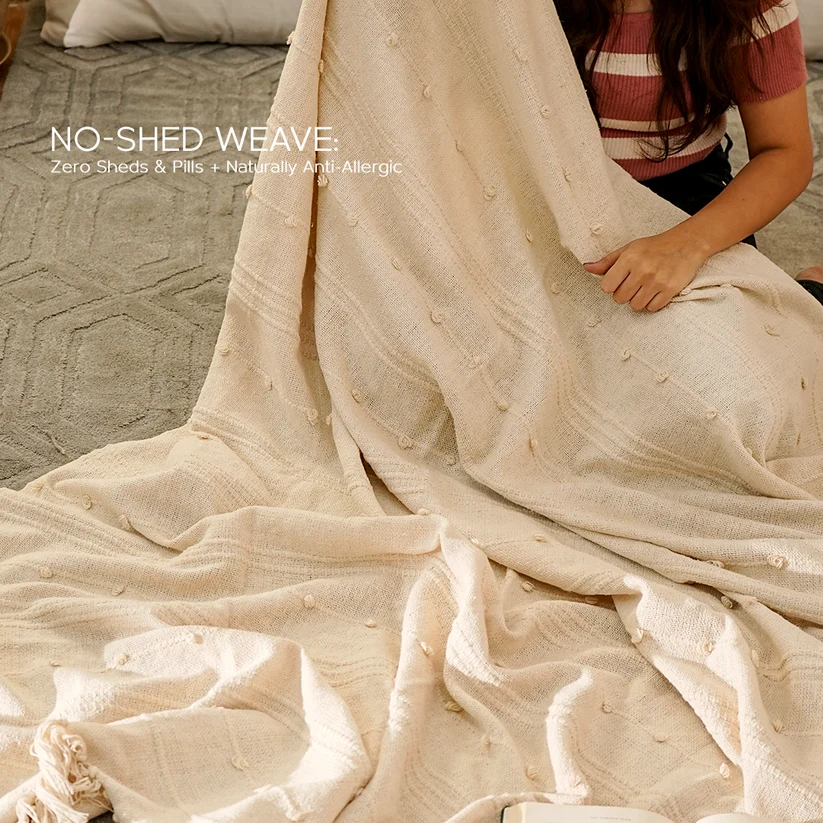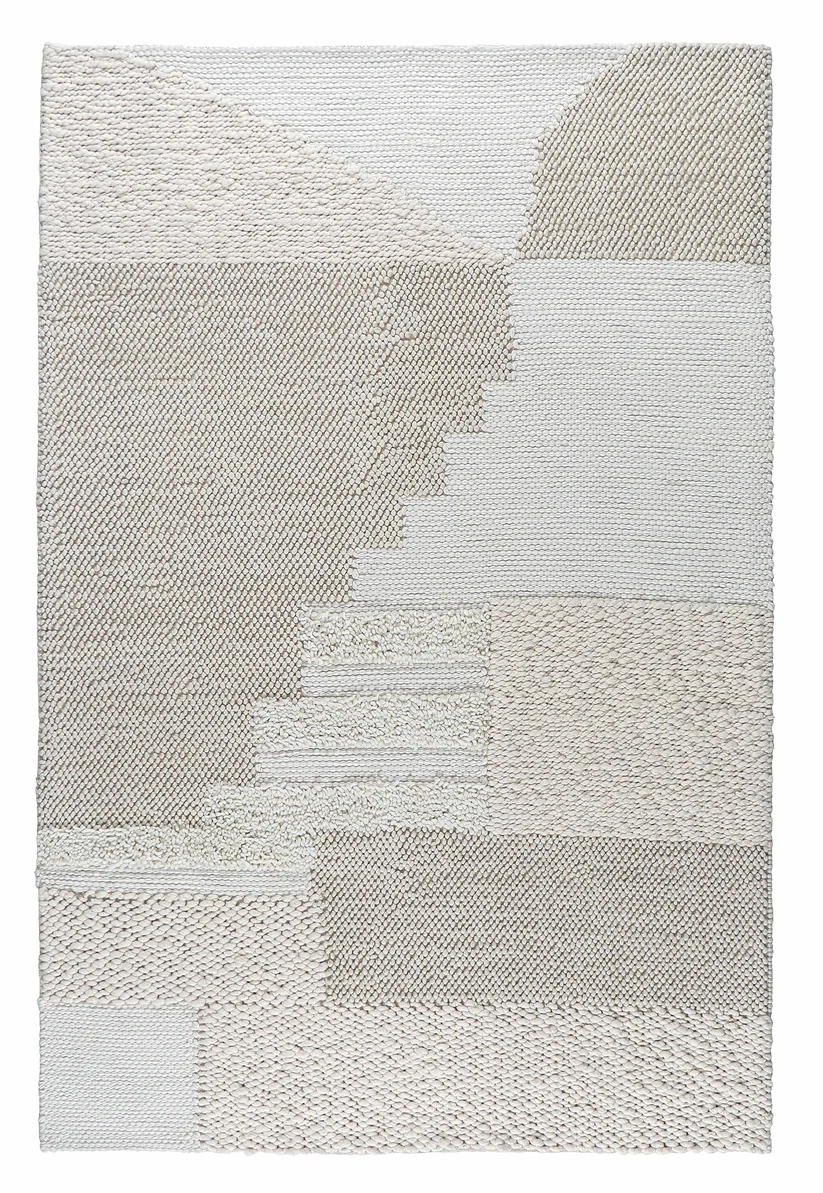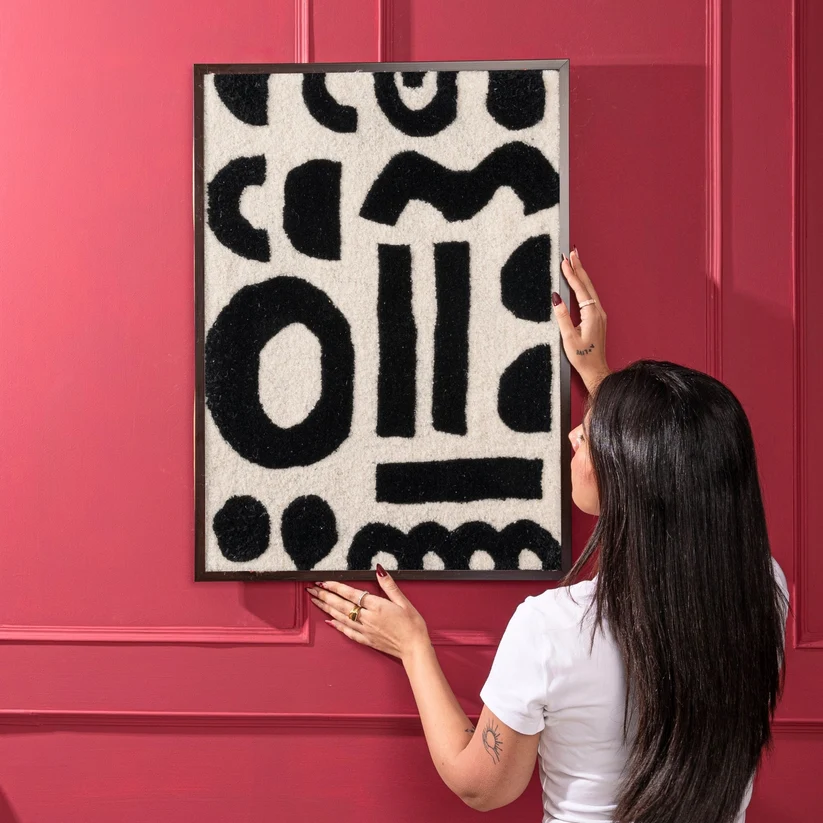
Layering decorative elements can give a room warmth and personality, but there is a point where adding more begins to make the space feel visually crowded. The challenge is not simply choosing beautiful rugs, throws, and wall art individually, but making them work together as part of one composition.
Fortunately, your decor does not need to match perfectly. A few simple connections between color, texture, pattern, and scale can create a layered room that still feels balanced.
Choose One Visual Starting Point
Begin with one element you already love. It could be a patterned rug, an expressive piece of wall art, a favorite throw, or even your sofa.
Use that piece as a reference when selecting other elements rather than choosing everything independently. This gives the room a sense of direction without requiring an exact matching set.
Let the Rug Establish the Foundation
Because a rug often occupies a large portion of the visible floor, it naturally has a strong influence on the room.
If your rug features a bold pattern or several colors, consider using quieter decorative elements elsewhere. When the rug is understated, you have more freedom to introduce expressive artwork or a contrasting throw.
Repeat Colors Without Matching Them Exactly
A cohesive room often contains colors that appear more than once, but they do not have to be identical.
A muted shade in your rug might relate to a deeper version of the same color in your wall art. Your throw could then introduce a softer neighboring tone.
This creates a visual relationship while avoiding the appearance of a pre-coordinated furniture set.
Balance Pattern With Simpler Surfaces
If every decorative element contains a strong pattern, they may begin competing for attention. Instead, allow some areas to remain visually quiet.
Pair an expressive rug with a more restrained throw, or use simple flooring and upholstery when your wall art is intended to become the main focal point.
Mix Textures for Depth
Texture allows you to create variation even within a limited color palette. A tufted rug, woven throw, and dimensional textile wall piece can each interact with light differently and provide distinct tactile character.
This is particularly useful in neutral interiors where visual interest comes from materials rather than strong color contrast.
Pay Attention to Scale
Scale matters just as much as color. A large rug combined with oversized wall art and several heavy decorative pieces may make a small room feel crowded.
Allow larger pieces to have visual space around them and use smaller accents to support rather than compete with the primary focal point.
Leave Some Areas Undecorated
Empty space is an important part of decorating. Not every wall needs artwork, every chair needs a throw, or every surface needs an accessory.
Leaving selected areas open gives the eye somewhere to rest and allows your favorite pieces to receive more attention.
Create Connection, Not Perfect Coordination
A thoughtfully decorated home does not need to look perfectly matched. In fact, slight differences in texture, tone, and style can make an interior feel more personal.
Use your rug to establish the room, add throws for softness and contrast, and let wall art express more of your individual style. When these elements share a few subtle visual connections while retaining their own character, the room can feel layered, comfortable, and naturally collected.